


Description
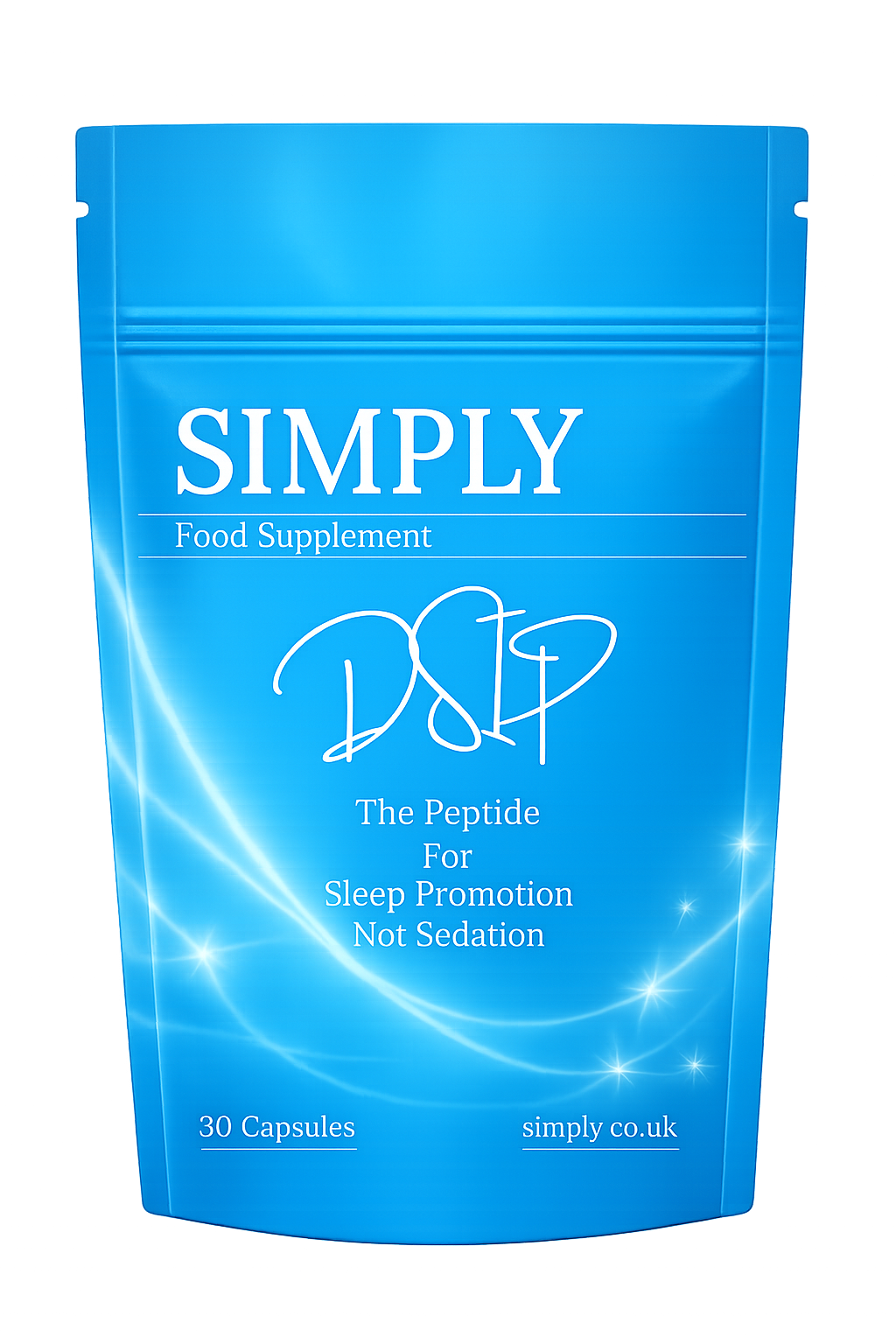
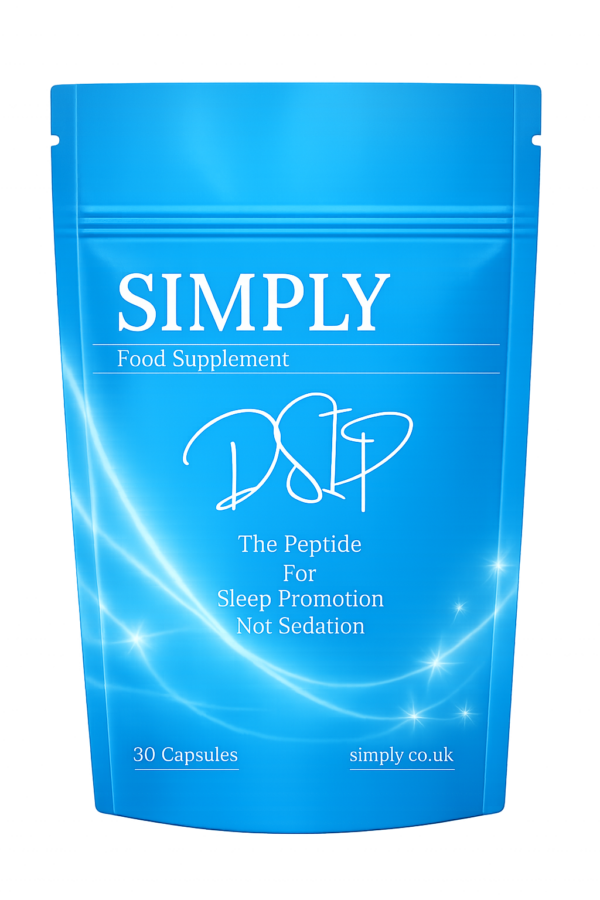
DSIP (Delta Sleep-Inducing Peptide) is a naturally occurring neuropeptide composed of 9 amino acids. It was originally discovered in sleep research and has since been studied for its effects on sleep, stress regulation, recovery, pain modulation, and hormone signaling.
What is DSIP supposed to do?
Research suggests DSIP may:
- Improve deep (slow-wave or delta) sleep
- Help regulate the stress response and cortisol
- Promote recovery and reduce fatigue
- Influence growth hormone and other endocrine pathways
- Potentially reduce pain sensitivity
- Support resilience to physical and mental stress
How does it work?
The exact mechanism remains unclear. Scientists still have not fully identified the receptor through which DSIP acts. Current evidence suggests it may:
- Modulate the hypothalamic-pituitary-adrenal (HPA) axis, which controls stress hormones
- Influence neurotransmitter systems involved in sleep regulation
- Affect hormones such as ACTH, growth hormone, and luteinizing hormone (LH)
- Help promote conditions favourable for deep sleep rather than acting as a traditional sedative
DSIP (Delta Sleep-Inducing Peptide) is an experimental neuropeptide that has been studied for its effects on sleep, stress regulation, pain modulation, and hormone signaling.
Potential Benefits Being Studied
1. Improved Sleep Quality
DSIP is best known for its potential to promote deep (slow-wave or delta) sleep, which is the most restorative stage of sleep. Some studies have reported improvements in sleep quality and sleep architecture, particularly in people with disrupted sleep, although results have been inconsistent.
2. Stress and Cortisol Regulation
Research suggests DSIP may help modulate the body’s stress response and reduce excessive cortisol activity. This has led to interest in its potential for improving recovery and resilience to chronic stress.
3. Pain Modulation
Animal and early human research has indicated possible analgesic (pain-reducing) effects, leading to investigation of DSIP for chronic pain and recovery applications.
4. Support During Substance Withdrawal
Some older studies reported benefits in reducing symptoms of opioid and alcohol withdrawal, though these findings need modern, well-controlled confirmation.
5. Potential Neuroprotective Effects
Preclinical research suggests antioxidant and neuroprotective properties, but these findings are primarily from animal and laboratory studies rather than robust human trials.
6. Hormonal Effects
DSIP has been observed to influence several neuroendocrine pathways, including hormones involved in growth hormone release and stress regulation. However, the clinical significance of these effects remains uncertain.
Important Limitations
- Human research is limited and inconsistent.
- No large, high-quality Phase III clinical trials have established its effectiveness.
- DSIP is generally considered investigational rather than a proven treatment.
- Long-term safety has not been well established.
Simply proudly provides BPC-157 strictly for scientific and research use. We are dedicated to supporting the research community and ensuring our products meet stringent quality standards and legal requirements. Please note that our peptides, including BPC-157, are not designed for human consumption or clinical application.