


Description
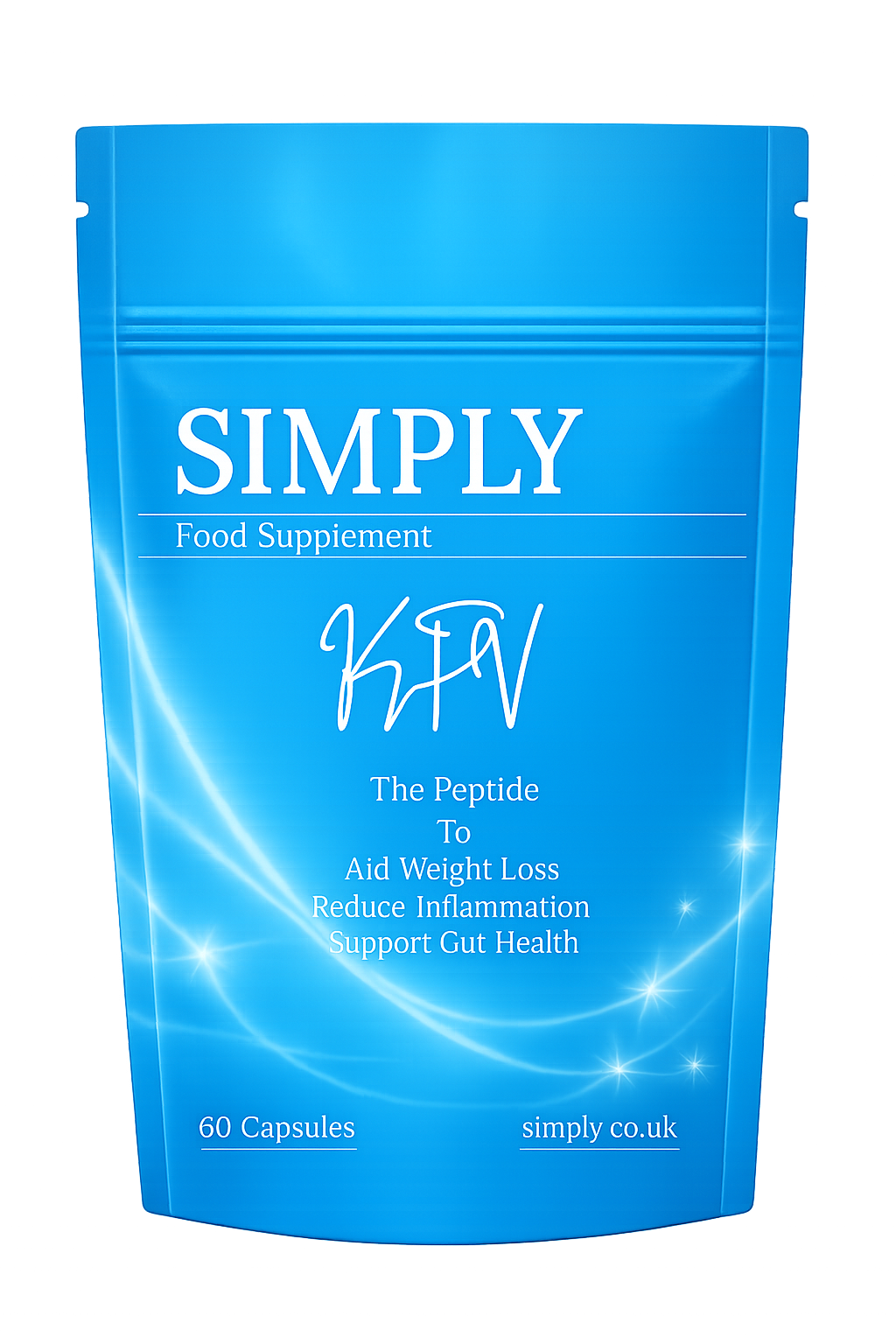
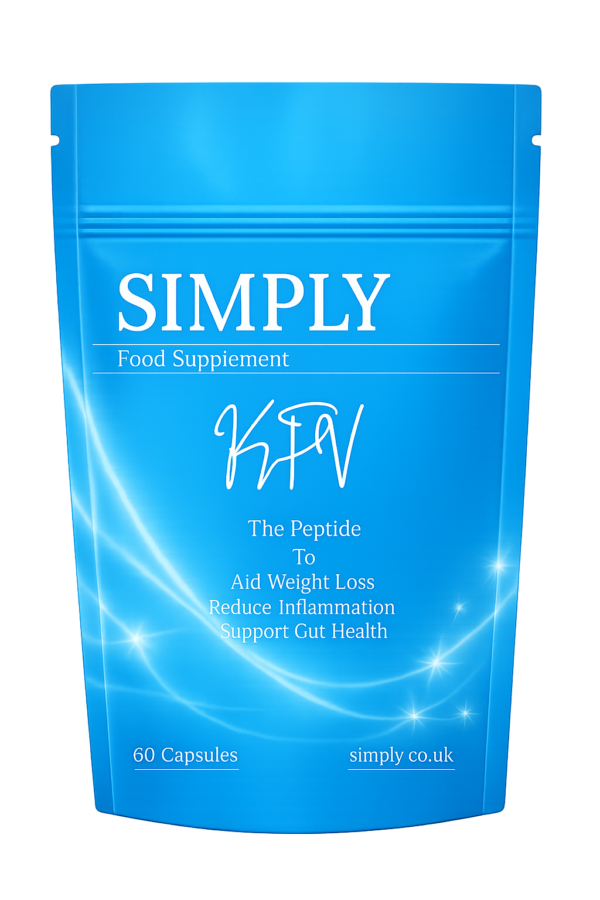
KPV Peptide Benefits: How KPV May Support Inflammation, Gut Health, and Immune Function
What Is KPV Peptide?
KPV is a naturally derived peptide consisting of three amino acids: lysine, proline, and valine. It is a fragment of alpha-melanocyte-stimulating hormone (α-MSH), a peptide that plays an important role in regulating inflammation, immune function, and various biological processes throughout the body.
In recent years, KPV has attracted significant attention within the fields of peptide therapy and regenerative medicine because of its potential anti-inflammatory properties. Unlike many compounds that suppress the immune system broadly, KPV appears to work by helping regulate inflammatory pathways while supporting the body’s natural healing processes.
Researchers have become increasingly interested in KPV due to its potential applications in gut health, skin conditions, immune regulation, and chronic inflammatory disorders. While much of the current evidence comes from laboratory and animal studies, the peptide continues to generate excitement because of its unique mechanism of action and promising therapeutic potential.
How Does KPV Work?
KPV is believed to exert its effects by influencing inflammatory signaling pathways within the body. Chronic inflammation is associated with a wide range of health concerns, including digestive disorders, skin conditions, autoimmune diseases, and metabolic dysfunction. By helping regulate the production of inflammatory molecules, KPV may support a healthier balance within the immune system.
Research suggests that KPV may reduce the activity of certain pro-inflammatory cytokines, which are proteins involved in triggering and maintaining inflammatory responses. At the same time, the peptide appears to support tissue repair and recovery, making it particularly interesting for conditions where excessive inflammation contributes to ongoing tissue damage.
Because inflammation plays a central role in many chronic health conditions, the ability to regulate these pathways has made KPV one of the most studied anti-inflammatory peptides in modern research.
KPV Benefits for Inflammation
One of the primary reasons researchers are studying KPV is its potential ability to reduce excessive inflammation throughout the body. Inflammation is a normal and necessary part of the healing process, but when it becomes chronic, it can contribute to discomfort, tissue damage, and impaired function.
Studies have demonstrated that KPV may help calm inflammatory responses without completely shutting down immune activity. This distinction is important because the body still requires a functioning immune system to defend against infections and support recovery.
As a result, KPV is often discussed as a peptide that may help restore balance rather than simply suppress symptoms. Its potential to regulate inflammation at the cellular level has made it a subject of growing interest among researchers investigating inflammatory diseases and immune health.
KPV and Gut Health
One of the most promising areas of KPV research involves gastrointestinal health. The digestive tract contains a large portion of the body’s immune system, and chronic inflammation within the gut has been linked to numerous digestive disorders.
Researchers have investigated KPV for its potential ability to support the intestinal lining and reduce inflammatory activity within the gastrointestinal tract. Early studies suggest that KPV may help maintain gut barrier integrity while supporting tissue repair in the digestive system.
Because of these effects, KPV has been studied in connection with inflammatory bowel conditions and other digestive disorders characterized by excessive inflammation. Although more human research is needed, its potential role in supporting gut health remains one of the most exciting aspects of ongoing KPV research.
Can KPV Support Immune System Function?
The immune system relies on a delicate balance between activation and regulation. When immune responses become overly aggressive, chronic inflammation can develop and contribute to tissue damage.
KPV appears to help regulate immune activity by influencing inflammatory signaling pathways rather than broadly suppressing immune function. Researchers believe this targeted approach may help support healthier immune responses while reducing unnecessary inflammation.
This ability to modulate immune activity has led scientists to explore KPV as a potential therapeutic option for conditions involving immune dysregulation and chronic inflammatory processes.
KPV for Skin Health and Recovery
In addition to its potential gastrointestinal benefits, KPV has also been studied for its effects on skin health. Inflammatory skin conditions often involve excessive immune activity and chronic irritation, making anti-inflammatory compounds particularly valuable in dermatological research.
Laboratory studies suggest that KPV may help reduce inflammatory responses within skin tissues while supporting healing and recovery. These findings have encouraged further investigation into its potential applications for inflammatory skin conditions and wound healing.
As research continues to evolve, KPV may become an important area of interest within regenerative dermatology and skin health optimization.
Why KPV Is Different From Other Peptides
Many peptides are studied for their ability to stimulate growth factors, increase hormone production, or enhance tissue regeneration. KPV stands apart because its primary focus appears to be inflammation control and immune regulation.
Rather than acting directly on muscle growth or hormone pathways, KPV targets biological mechanisms that influence inflammatory balance throughout the body. This unique characteristic has positioned it as a promising candidate for research involving chronic inflammatory conditions, digestive health, and immune system support.
Its small size and targeted activity have also contributed to growing interest among scientists seeking therapies that can regulate inflammation without causing widespread immune suppression.
Is KPV Safe?
Current research suggests that KPV demonstrates a favorable safety profile in preclinical studies. Because it is derived from a naturally occurring peptide found within the human body, researchers believe it may offer certain advantages in terms of biological compatibility.
However, human clinical research remains limited, and additional studies are needed to fully understand its long-term safety, effectiveness, and optimal therapeutic applications. KPV is currently considered an investigational peptide and has not been approved by the U.S. Food and Drug Administration (FDA) for the treatment of medical conditions.
Individuals interested in peptide-based therapies should consult qualified healthcare professionals and remain informed about emerging scientific evidence.
Final Thoughts on KPV Peptide
KPV has emerged as one of the most promising anti-inflammatory peptides in modern research. Derived from alpha-melanocyte-stimulating hormone, this small but powerful peptide has demonstrated potential benefits for inflammation regulation, gut health, immune system balance, and tissue recovery.
Researchers are particularly interested in KPV because of its ability to influence inflammatory pathways without broadly suppressing immune function. This unique mechanism may make it valuable for supporting gastrointestinal health, managing inflammatory conditions, and promoting overall wellness.
Although more human studies are necessary to confirm its full therapeutic potential, the growing body of research suggests that KPV could play an important role in the future of inflammation management and regenerative medicine.