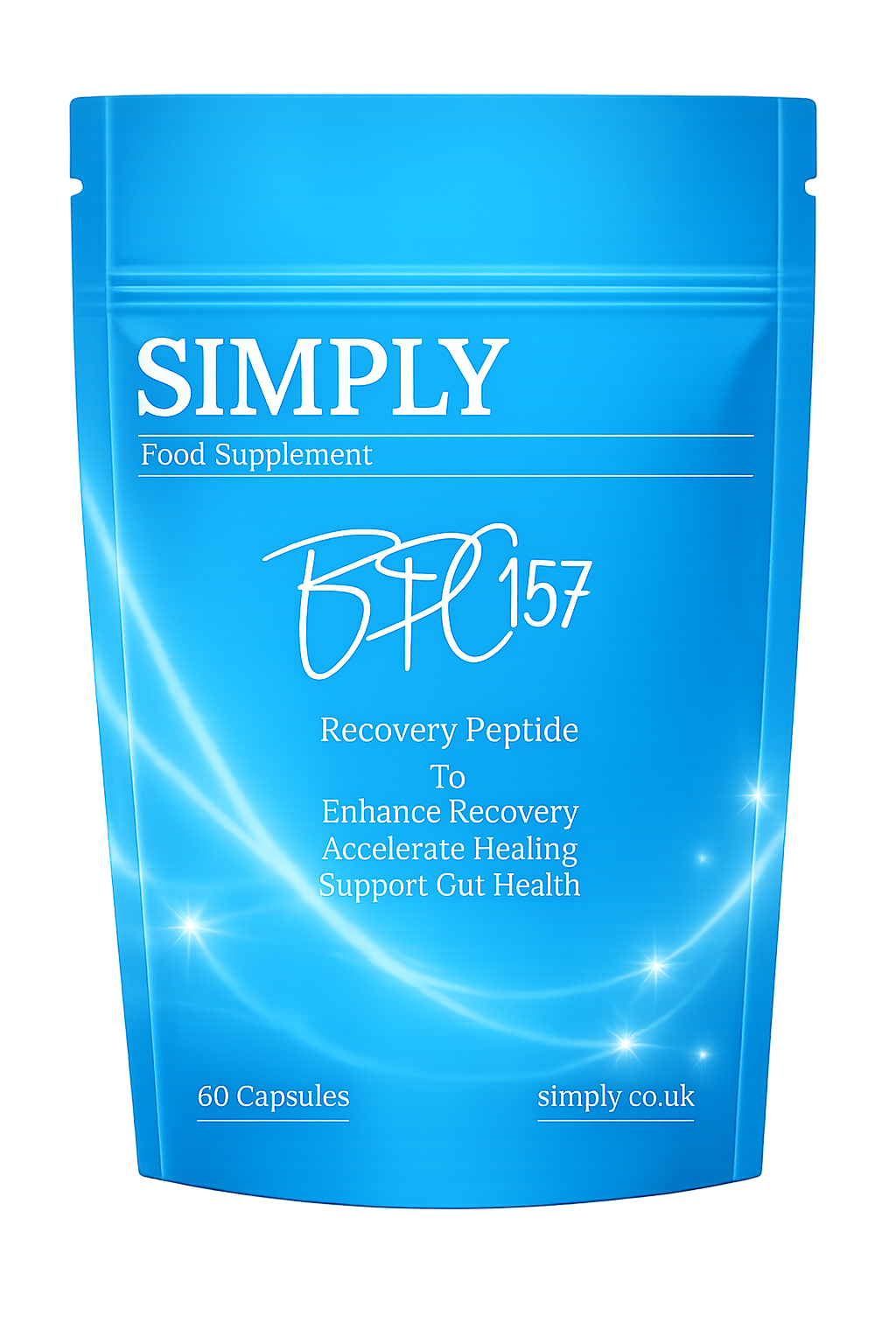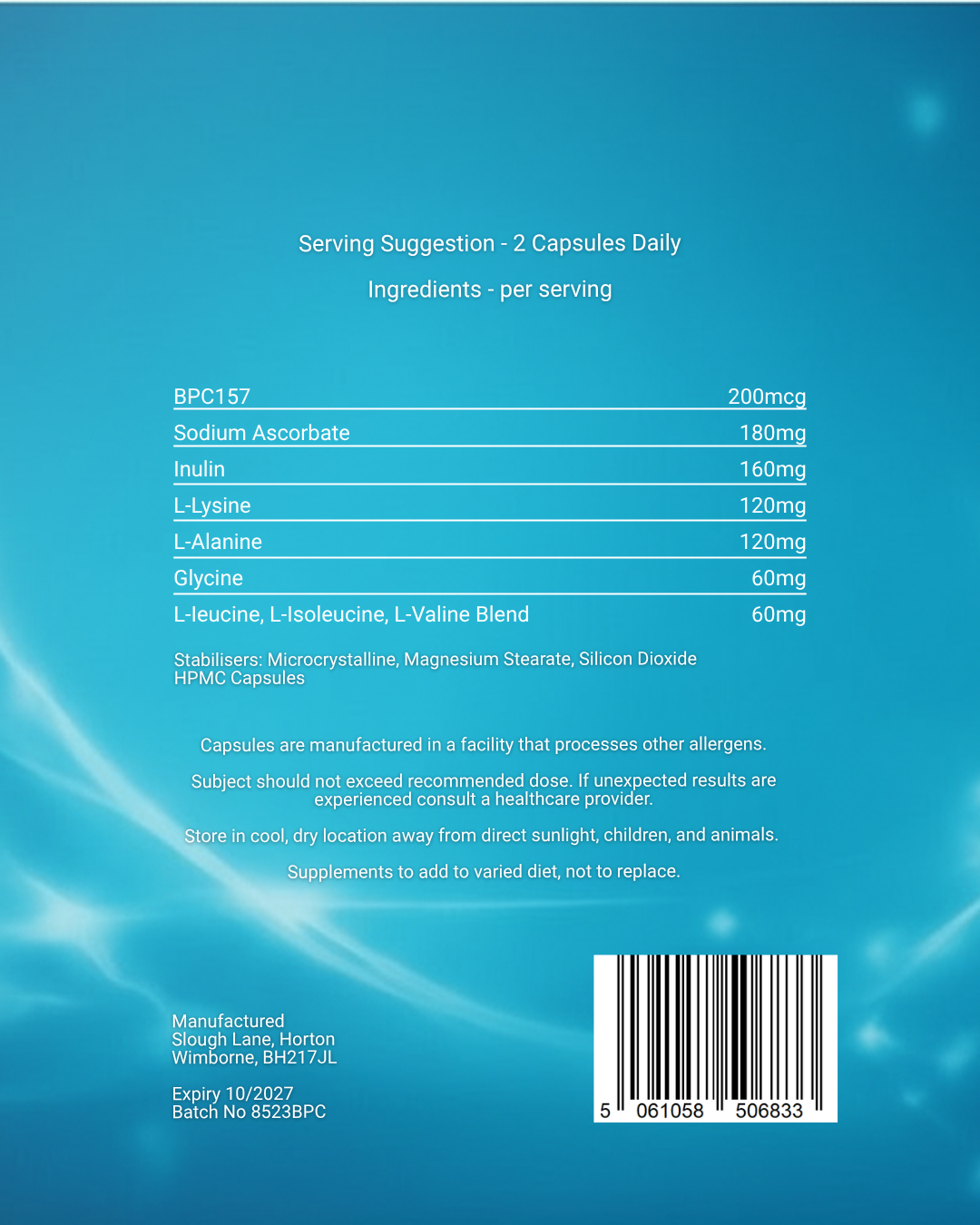


Description
BPC-157 Benefits, Uses, and Research: A Complete Guide to the Healing Peptide
What Is BPC-157?
BPC-157, also known as Body Protection Compound-157, is a synthetic peptide made from a sequence of 15 amino acids. It is derived from a protective protein found in human gastric juice, which is one reason researchers have studied it for both digestive health and tissue repair.
BPC-157 has become popular in the worlds of sports recovery, regenerative medicine, peptide therapy, and injury rehabilitation. It is often discussed for its potential role in tendon healing, ligament repair, muscle recovery, joint support, wound healing, and gastrointestinal protection.
Although BPC-157 is widely promoted online, it is important to understand that most of the research comes from animal and laboratory studies. Human clinical evidence remains limited, and BPC-157 is not approved by the FDA for treating any medical condition. It is also prohibited for athletes under anti-doping rules.
How Does BPC-157 Work?
BPC-157 appears to work by influencing several biological pathways involved in healing, inflammation, and blood vessel formation. One of its most studied effects is angiogenesis, which is the formation of new blood vessels. Improved blood flow can help deliver oxygen, nutrients, and repair signals to damaged tissues.
Researchers have also explored how BPC-157 may affect nitric oxide pathways, growth factors, collagen formation, and inflammatory signaling. These mechanisms may help explain why the peptide has been studied in relation to tendons, ligaments, muscles, nerves, skin wounds, and the gastrointestinal tract.
Unlike a painkiller, BPC-157 is not mainly discussed for temporarily masking discomfort. Its appeal comes from the idea that it may support the body’s repair process at a deeper tissue level. However, because most findings are preclinical, these proposed mechanisms should be viewed as promising but not proven in humans.
BPC-157 Benefits for Tendon and Ligament Healing
One of the most searched topics around this peptide is BPC-157 for tendon repair. Tendons and ligaments often heal slowly because they have less blood supply than muscle tissue. This can make injuries such as Achilles tendon irritation, rotator cuff problems, tennis elbow, knee ligament strain, and ankle sprains difficult to recover from.
Preclinical studies suggest that BPC-157 may support tendon and ligament healing by promoting collagen organization, tissue remodeling, and blood vessel growth. This is why the peptide has become popular among athletes, bodybuilders, and active individuals dealing with soft-tissue injuries.
However, the strongest evidence is still based on animal studies rather than large, well-controlled human trials. For this reason, BPC-157 should not be described as a guaranteed treatment for tendon or ligament injuries.
BPC-157 for Muscle Recovery and Sports Injuries
BPC-157 is also commonly discussed for muscle recovery. Intense exercise, overtraining, and acute muscle injuries can create inflammation, microtrauma, and reduced performance. Researchers have investigated whether BPC-157 may help improve tissue repair and reduce recovery time after injury.
The potential value of BPC-157 for sports recovery comes from its possible effects on circulation, inflammation control, and cellular repair. Some users seek it for muscle strains, overuse injuries, and post-training recovery support.
For competitive athletes, there is an important warning. BPC-157 is prohibited by the World Anti-Doping Agency, meaning tested athletes should not use it in or out of competition.
BPC-157 and Joint Health
Joint health depends heavily on the surrounding muscles, tendons, ligaments, cartilage, and connective tissue. Because BPC-157 has been studied for soft-tissue repair, it is often discussed as a potential support compound for joint discomfort and mobility issues.
People often search for BPC-157 for knee pain, shoulder pain, elbow pain, and hip pain. The theory is that by supporting connective tissue repair and reducing inflammatory stress, BPC-157 may help improve the environment around injured or irritated joints.
Still, joint pain can come from many causes, including arthritis, structural damage, nerve irritation, autoimmune disease, or poor biomechanics. BPC-157 has not been proven as a medical treatment for joint disease, and persistent joint pain should be evaluated by a qualified healthcare professional.
BPC-157 for Gut Health and Digestive Support
BPC-157 was originally studied because of its relationship to protective compounds in the stomach. This makes gastrointestinal health one of the most important areas of BPC-157 research.
Preclinical research has explored BPC-157 in relation to gastric ulcers, intestinal inflammation, gut barrier function, and digestive tissue healing. Some studies suggest it may help protect the lining of the stomach and intestines while supporting repair after irritation or injury.
This has led to interest in BPC-157 for gut health, leaky gut discussions, inflammatory bowel conditions, and ulcer-related research. However, human evidence is still limited, so it should not be positioned as a proven treatment for ulcerative colitis, Crohn’s disease, gastritis, or ulcers.
BPC-157 and Wound Healing
Another major area of interest is wound healing. Because BPC-157 may promote blood vessel formation and tissue repair, researchers have studied it in models involving skin wounds, burns, and soft-tissue injuries.
The peptide’s potential ability to support circulation and tissue regeneration may make it relevant to wound recovery research. However, wound healing is complex and depends on infection control, nutrition, blood sugar regulation, circulation, immune function, and proper medical care.
BPC-157 should not replace standard wound care, especially for deep wounds, infected wounds, diabetic wounds, or wounds that are slow to heal.
Possible Anti-Inflammatory Effects of BPC-157
Inflammation is a normal part of healing, but excessive or prolonged inflammation can interfere with recovery. BPC-157 is often described as having anti-inflammatory potential because researchers have observed effects on inflammatory signaling in preclinical studies.
This may be one reason BPC-157 is discussed for injuries, gut irritation, joint discomfort, and tissue repair. Rather than simply suppressing inflammation, BPC-157 appears to be of interest because it may help regulate the healing environment.
Even so, inflammation can be caused by infection, autoimmune disease, injury, poor recovery, or underlying illness. Any article about BPC-157 should avoid suggesting that it treats inflammation-related diseases without strong clinical evidence.
Is BPC-157 Safe?
BPC-157 safety remains one of the biggest unanswered questions. Many online sources describe it as low-risk, but long-term human safety data is limited. A recent review of BPC-157 in musculoskeletal healing emphasized both its therapeutic potential and the need for stronger clinical evidence and safety evaluation.
There are several concerns to consider. Because BPC-157 is not FDA-approved, products sold online may vary in purity, concentration, sterility, and labeling accuracy. Unregulated peptide products may also carry contamination or dosing risks. Current reporting also notes that BPC-157 remains surrounded by regulatory uncertainty and is not an FDA-approved medication.
Anyone considering peptide therapy should speak with a qualified medical professional and avoid unverified products marketed as research chemicals for personal use.
Is BPC-157 FDA Approved?
BPC-157 is not FDA-approved for any medical use. This means it has not gone through the full process required to prove safety, effectiveness, manufacturing quality, and appropriate dosing for a specific condition.
Its regulatory status has also been debated in relation to compounding restrictions and peptide access. Some recent reporting indicates that regulatory review is ongoing, but this does not make BPC-157 an approved medication.
For SEO and compliance purposes, articles about BPC-157 should clearly state that it is investigational and should not claim that it cures, treats, or prevents disease.
Who Is Interested in BPC-157?
BPC-157 is most commonly researched or discussed by people interested in injury recovery, athletic performance, regenerative medicine, gut health, and longevity. Athletes may be drawn to it because of its possible effects on soft-tissue recovery, while wellness-focused individuals may be interested in its potential digestive and anti-inflammatory properties.
However, interest should not be confused with proven clinical benefit. BPC-157 is a promising research compound, but the evidence is not yet strong enough to support many of the bold claims found online.
Final Thoughts: Is BPC-157 Worth the Hype?
BPC-157 is one of the most talked-about peptides in the health, fitness, and regenerative medicine space. Its potential benefits include support for tendon healing, ligament repair, muscle recovery, joint health, wound healing, and gastrointestinal protection.
The science behind BPC-157 is interesting, especially because of its possible effects on blood vessel formation, collagen remodeling, inflammation regulation, and tissue repair. However, most evidence still comes from animal and laboratory studies, and high-quality human clinical trials remain limited.
For now, BPC-157 should be viewed as an investigational peptide with promising preclinical research but incomplete human evidence. Anyone writing about or considering BPC-157 should use careful language, avoid exaggerated medical claims, and recognize that safety, legality, dosing, and effectiveness are still not fully established.
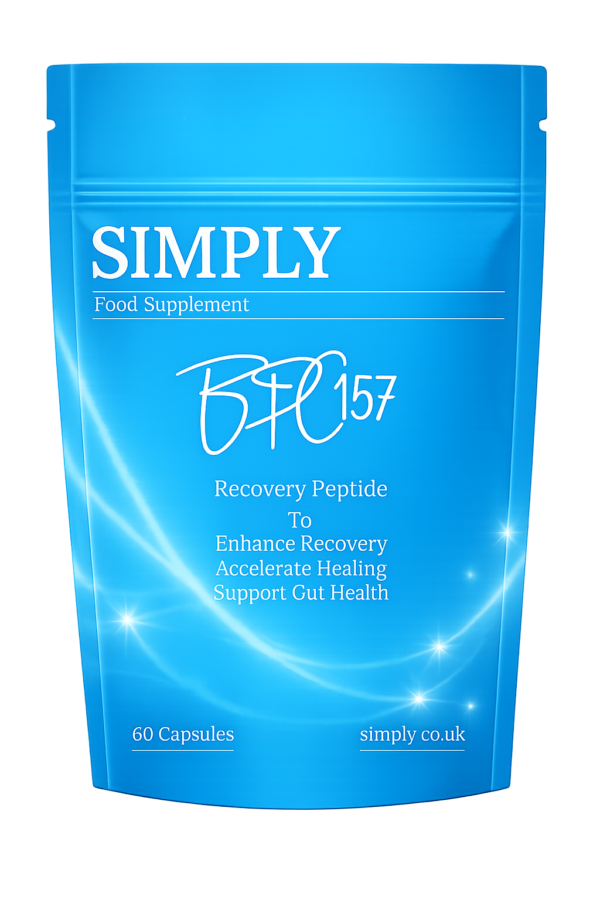
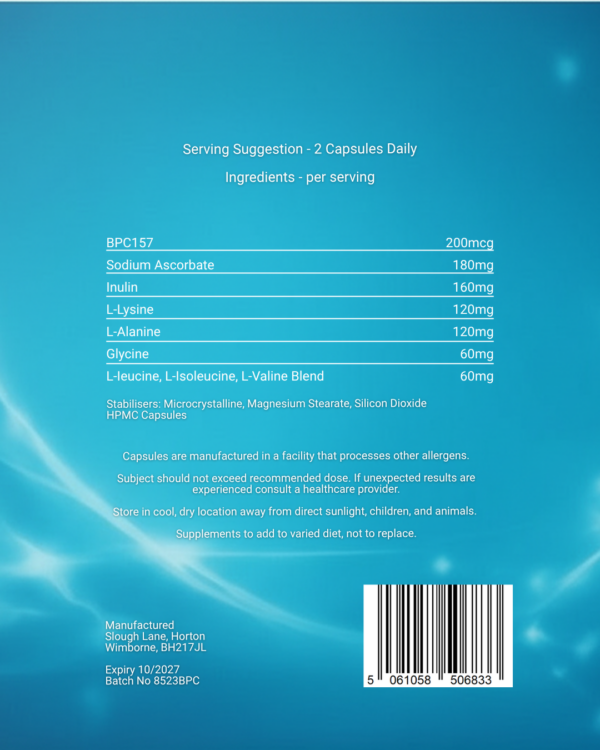
Simply proudly provides BPC-157 strictly for scientific and research use. We are dedicated to supporting the research community and ensuring our products meet stringent quality standards and legal requirements. Please note that our peptides, including BPC-157, are not designed for human consumption or clinical application.